Spot the Difference on Your Nose
Looking closely in a bathroom mirror, almost every adult sees uniform pale grey or yellowish pinpoint dots lining the nose and inner cheeks. Most of the time, those tidy dots are sebaceous filaments rather than true blackheads.
Sebaceous filaments are natural tube-like channels that guide oil from sebaceous glands onto the skin surface to keep it supple. True blackheads, by contrast, are larger, oxidized plugs of dead cells and hardened sebum that look dark, raised, and irregular.
Why Peel-Off Pore Strips and Squeezing Backfire
Peel-off nose strips deliver brief visual satisfaction, yet they rip away healthy surface corneocytes alongside the upper tips of filaments. Because healthy sebaceous glands naturally refill those channels within days, filaments return looking even more prominent.
Repeated yanking or fingernail squeezing around the nostrils also triggers broken capillaries, redness, and stubborn post-inflammatory marks, especially during humid Hong Kong summers when sebum flow naturally rises.
Gentle Pore Maintenance: Clay Masks and Oil-Soluble Acids
Instead of yanking pores empty, steady chemical and clay-based care keeps oil flowing smoothly and reduces surface oxidation. Oil-soluble salicylic acid (BHA) softens buildup inside follicles, while kaolin or sulfur clays absorb excess shine calmly.
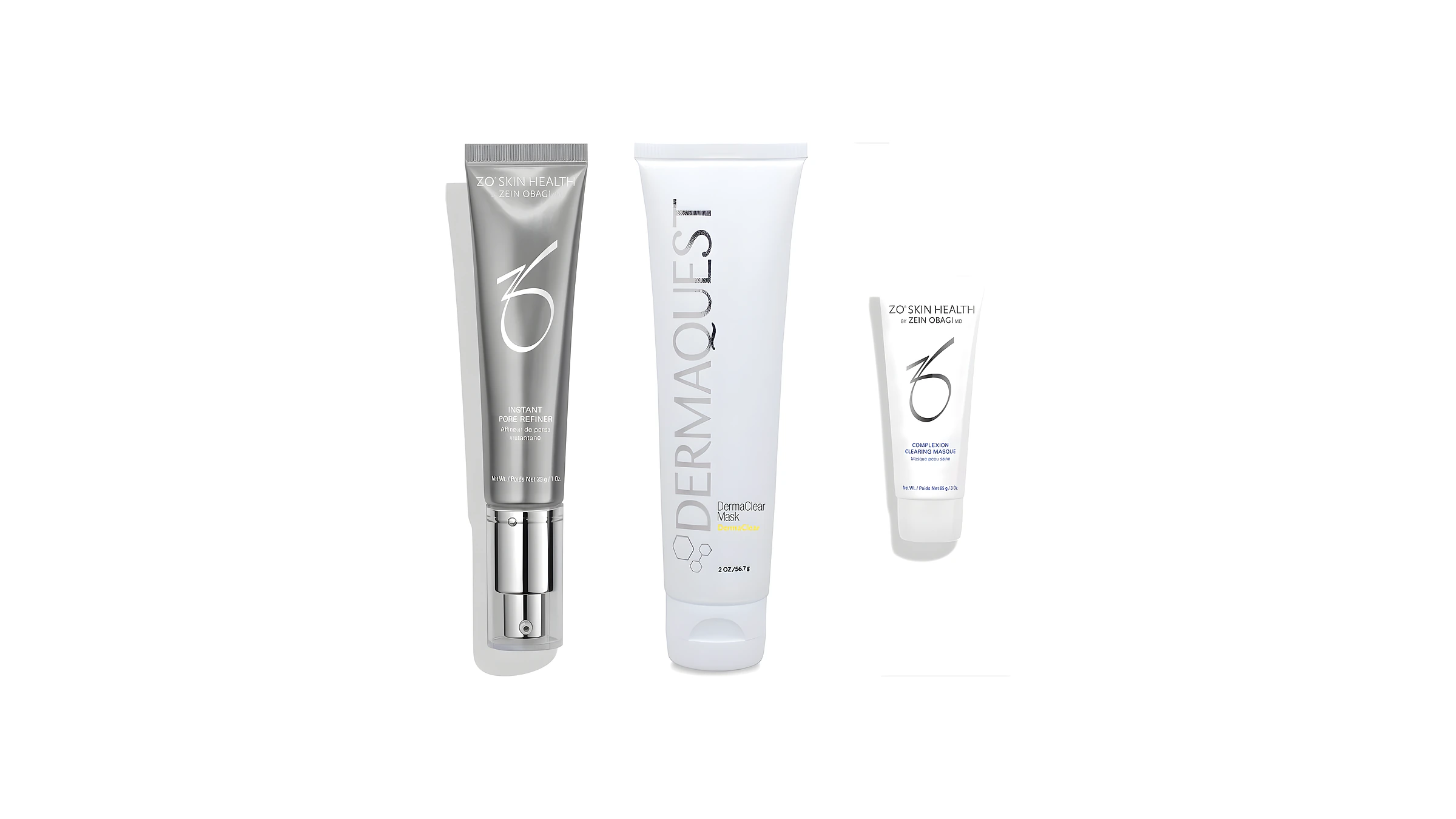
Once or twice weekly, smooth a thin layer of Dermaquest DermaClear Mask or ZO Skin Health Complexion Clearing Masque strictly onto the T-zone for ten minutes, then rinse gently with lukewarm water before moisturizing.
Daily Smoothing Without Heavy Silicones
Between mask days, a targeted pore-refining serum helps balance surface oil and smooth rough texture beneath daytime sunscreen. Adding ZO Skin Health Instant Pore Refiner after cleansing helps soften the look of enlarged pores, while additional clarifying options appear under ZO Skin Health.
If you wear water-resistant sunscreen or cushion foundation around the nose, gently emulsify makeup with a mild oil or micellar cleanser at night before rinsing with your regular facial wash so oxidized pigments never settle into pore openings.
Healthy Expectations for Real Skin Texture
Every normal complexion has visible pores on the nose. Skipping ten-times magnifying mirrors, balancing hydration so skin never overproduces oil, and avoiding harsh grainy scrubs will keep filaments clean, flat, and far less conspicuous in everyday light.
Remember that oil-control routines still need lightweight water-based hydration around the nostrils and chin. When surface layers become overly parched from strong astringents, flaky dead cells pile up around pore rims and actually make dark oxidized tips stand out more clearly.