Why Retinol Remains a Gold Standard—and Why Beginners Quit Early
Retinol (Vitamin A) remains one of dermatology's most researched ingredients for stimulating epidermal turnover, refining visible pores, softening fine lines, and evening out blotchy tone. Because skin cells adapt gradually through retinoic-acid receptors, steady consistency always beats aggressive high dosing.
Most early flaking around the mouth and chin—called retinization—does not signal true allergy. Instead, it usually stems from applying generous amounts nightly inside dry, air-conditioned Hong Kong apartments before the skin barrier adjusts.
Step 1: Start Low at 0.25% and Pace Slowly
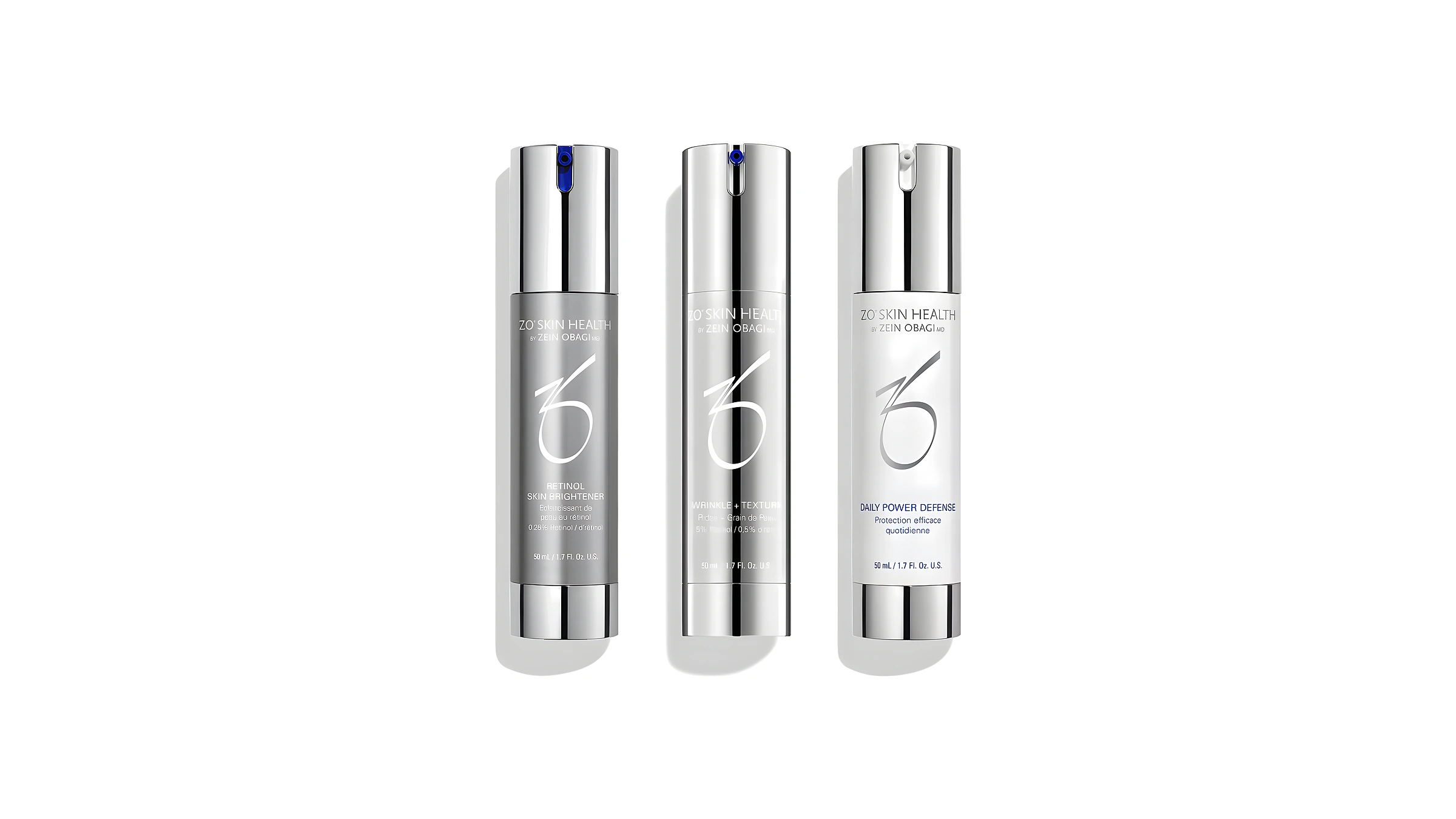
First-time users build tolerance smoothest by beginning two non-consecutive nights per week for the first three to four weeks. A measured 0.25% entry formula such as ZO Skin Health Retinol Skin Brightener 0.25% targets dull tone and rough patches cleanly while keeping dryness far milder than stronger 0.5% or 1% creams.
Only after your skin handles three weekly applications smoothly without tightness should experienced users consider stepping up under guidance to ZO Skin Health Wrinkle + Texture Repair (0.5% Retinol) or reviewing additional options within the ZO Skin Health catalog.
Step 2: Dry Skin Timing & Nighttime AC Buffering
Wait 10 minutes after evening cleansing so your face feels completely dry before applying retinol, since damp skin drives faster penetration and stings easily. Measure just one pea-sized drop across your entire face, staying clear of eyelids, nostril folds, and lip corners.
When sleeping under steady bedroom air-conditioning, protect cheeks using the moisturizer sandwich technique—layering bland moisturizer before and after retinol—and pair off-nights with barrier-supporting antioxidants like ZO Skin Health Daily Power Defense to cushion overnight recovery.
Step 3: Morning Sun Protection & Common Mistakes to Avoid
Newly turned-over surface layers respond sensitively to UV rays in Hong Kong sunlight. Apply generous broad-spectrum SPF 50 every single morning—even on hazy, humid commutes or while seated beside sunny office windows—to preserve gradual brightness and smoother texture.
Keep exfoliating glycolic or salicylic acid pads on separate non-retinol evenings so the skin barrier is never overloaded, and skip abrasive facial scrubs altogether. Whenever persistent stinging, cracking around the mouth, or visible peeling develops, pause retinol cleanly for three nights and focus purely on soothing ceramide hydration.
Sample First-Month Retinol Schedule
Week one through week four, reserve retinol strictly for Tuesday and Friday evenings after mild cleansing, using gentle hydrating serums and fragrance-free barrier creams on the five remaining recovery nights. Steady consistency without irritation produces clearer, firmer skin far sooner than forcing nightly peeling.